06 Jul 2026 | Updated 06 Jul 2026
When disaster strikes, every minute matters.
Whether communities are displaced by conflict, devastated by floods or struggling through economic collapse, the first hours and days following a crisis often determine how quickly people can begin rebuilding their lives. Behind every emergency response lies months—even years—of preparation, partnerships and an unwavering commitment to serve humanity.
For more than 27 years, Khalsa Aid International has remained guided by one simple principle: Recognise the whole human race as one.
That philosophy continues to shape every humanitarian mission undertaken by the organisation.
More Than Emergency Relief
For many people, humanitarian aid begins with images of food parcels, emergency shelter and medical assistance. While these remain essential, modern humanitarian work extends much further.
Today's emergencies demand long-term thinking.
Communities recovering from natural disasters require clean water systems, education, agricultural support and sustainable livelihoods. Families displaced by conflict need healthcare, psychosocial support and opportunities to rebuild with dignity.
Khalsa Aid's approach reflects this reality by combining immediate relief with projects that strengthen communities long after media attention has moved elsewhere.
Local Communities Lead the Way
One of the defining features of Khalsa Aid's work is collaboration.
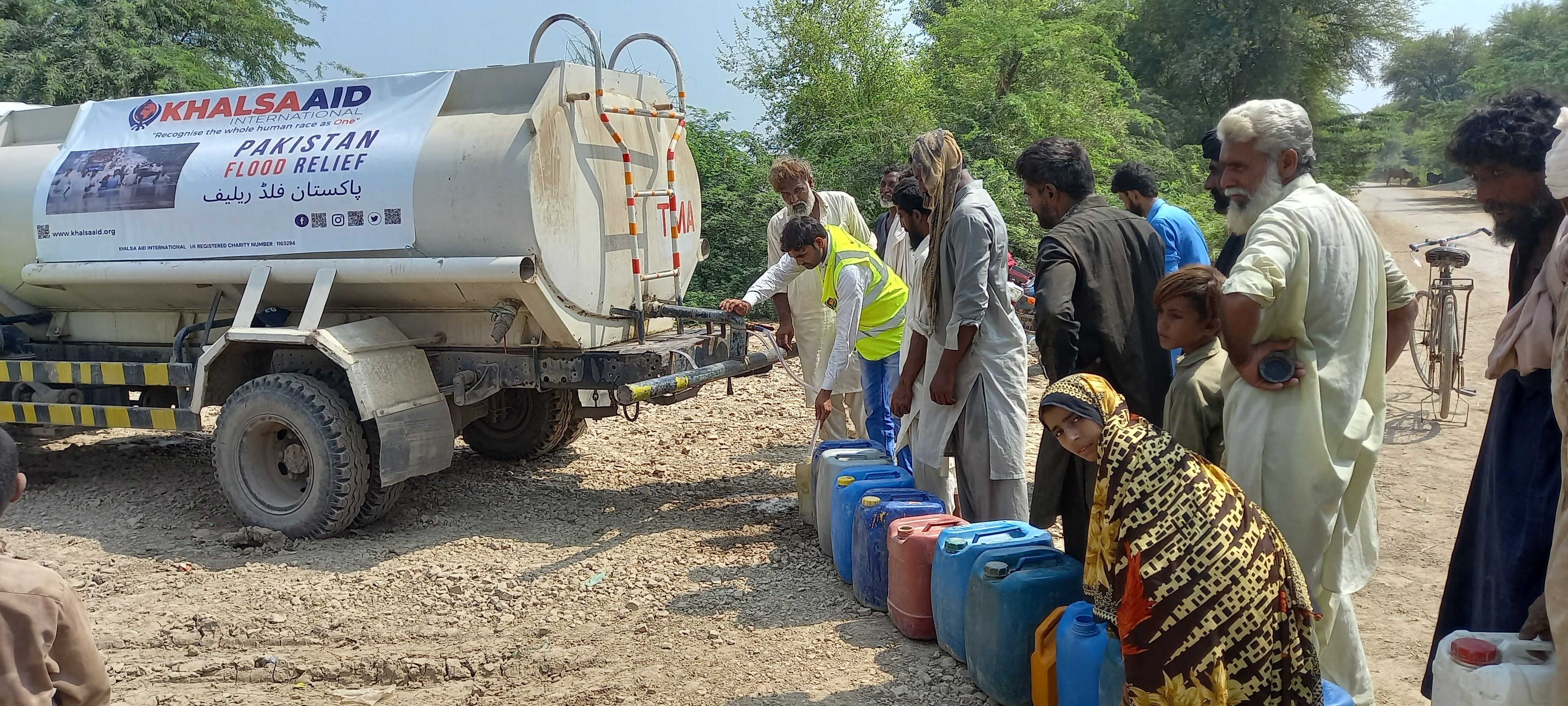
Rather than arriving with predetermined solutions, the organisation works alongside trusted local partners who understand the challenges facing their own communities. These partnerships ensure aid is culturally appropriate, reaches those in greatest need and continues long after emergency teams have departed.
Across nearly 50 countries, these relationships have enabled rapid responses to humanitarian crises while creating lasting networks capable of supporting future emergencies.
This community-led model not only improves efficiency but also empowers local organisations to become stronger and more resilient.
Volunteers Who Make the Impossible Possible
Every successful humanitarian mission depends on people willing to step forward.
From packing aid supplies in warehouses to coordinating logistics across continents, Khalsa Aid volunteers represent a diverse global family united by compassion.
Many volunteers balance careers and family responsibilities while giving countless hours to humanitarian service. Others travel to disaster zones, often working in physically demanding environments to ensure aid reaches vulnerable communities safely.
Their work frequently goes unseen.
The stories shared across Khalsa Aid's social platforms offer only a glimpse into the dedication, resilience and teamwork that underpin every mission.
These volunteers embody the Sikh principle of seva—selfless service—which remains at the heart of everything the organisation does.
Technology Supporting Humanitarian Action
Humanitarian response has evolved significantly over the past decade.
Digital mapping, satellite imagery, improved logistics planning and stronger communication networks now enable relief organisations to assess needs more rapidly than ever before.
Combined with experienced local partners and established supply chains, these tools help Khalsa Aid deliver assistance more efficiently while ensuring transparency and accountability.
The goal remains unchanged: reaching people quickly while preserving dignity throughout the process.
A Shared Responsibility
The scale of today's humanitarian challenges can feel overwhelming.
Climate-related disasters are increasing. Conflicts continue to displace millions. Economic pressures leave vulnerable families struggling to access basic necessities.
Yet every act of compassion creates meaningful change.
Each donation, volunteer hour and message of support enables humanitarian teams to continue reaching people who might otherwise be forgotten.
Together, these individual acts become a global movement built on kindness rather than division.
As Khalsa Aid International looks ahead, its mission remains clear—to serve humanity wherever help is needed, regardless of race, religion, nationality or background.
Because compassion has no borders, and hope begins with people willing to serve.